Strategy
Why Your Marketing Keeps Starting Over Instead of Building on Itself
Most contractors buy separate campaigns, not a system. Here's what breaks when SEO, ads, and CRM don't talk to each other — and what fixes it.

If you’ve hired a web company, an ads company, and maybe an SEO consultant over the past two years, and you still feel like you’re starting from zero every few months, you don’t have a marketing problem. You have a connection problem. That’s the gap a real lead generation system for contractors is built to close — not another campaign, but one path from first click to booked job that someone actually owns.
I spent over a decade in the trades before I built this business — plumbing, HVAC, electrical, roofing. I’ve seen the lead sheet nobody checked, the CRM that was set up once and never touched again, the ad account that got “paused for the season” and never came back. None of that is a mystery once you’ve been on both sides of it.
The Difference Between a Marketing System and a Marketing Campaign
A campaign has a start and an end. You run ads for three months, you get a website redesign, you do a push on Google reviews. Each one is judged on its own, usually by the vendor who sold it to you.
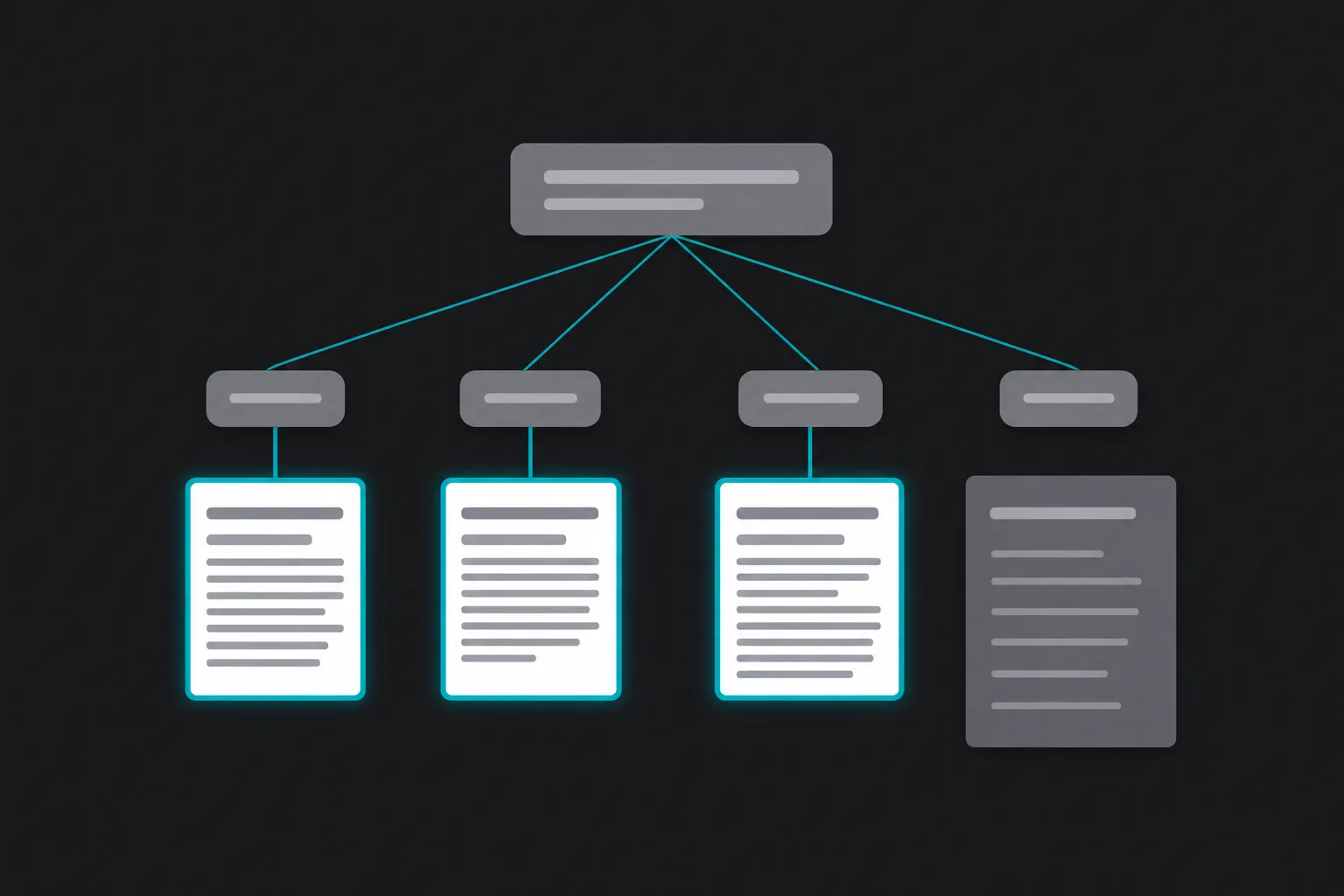
A system doesn’t have an end date. It’s the website, the ads, the SEO, the CRM, and the follow-up process working off the same data, reporting to the same number, improving because last month’s results feed into this month’s decisions.
This is the real difference between a marketing system vs marketing campaign: a campaign is judged on its own metrics — clicks, impressions, rankings. A system is judged on one thing — what it costs to put a booked job on the calendar. Everything else is a leading indicator, not the scoreboard.
Why Campaigns Stop Working After a Few Months
This is usually the pattern: the SEO company reports rankings. The ad company reports cost per click. The web company reports a launch, then goes quiet. None of them report booked jobs, because none of them can see what happens after the lead leaves their platform.
So every few months, something breaks that nobody was watching for. Rankings go up but calls don’t. Cost per click goes down but so does lead quality. The website gets more traffic but the contact form still emails a shared inbox that gets checked twice a day. You go back to each vendor, they each defend their own numbers, and you’re left explaining — again — why the pipeline still feels dry.
That’s why campaigns stop working: not because any one piece failed, but because no piece was ever connected to the one that mattered — the job getting booked.
What Breaks When the Pieces Aren’t Connected
Here’s what actually happens on a Tuesday when a website, ad account, and CRM were bought from three different vendors and never wired together.
- Leads fall through email instead of hitting a CRM. A form submission emails the office manager. She’s on a job site call. The lead sits in an inbox for six hours, then gets a callback the next morning — after the homeowner already booked with whoever called first.
- Ad spend gets judged on clicks instead of booked jobs. The ad account shows a healthy cost per click and a full inbox of form fills. Nobody’s tracking which of those leads turned into an issued appointment, let alone a paid job. The campaign looks like it’s working right up until you check the bank account.
- SEO wins don’t get followed up on. Rankings improve, organic calls go up, but there’s no tracked line connecting an organic visit to a phone call to a booked appointment. The SEO company reports a ranking increase. Nobody in the business can say whether it produced a single dollar of revenue.
Every one of these is a connection failure, not a channel failure. The ads worked. The SEO worked. The website worked. They just weren’t wired to anything downstream, so the value they created evaporated between one system and the next.
What a Lead Generation System for Contractors Actually Looks Like
Connected marketing for service businesses means the website, the ads, the SEO, the CRM, and the follow-up process are one path, not five vendors. Concretely:
- Every form fill, call, and chat gets logged in one CRM the moment it happens, not retyped later from an inbox.
- Call tracking ties every phone call back to the specific ad, keyword, or page that produced it.
- Follow-up is a defined sequence — call, text, email — that starts automatically instead of depending on someone remembering to check a form.
- Ad spend is measured against booked jobs, not clicks, so a channel that produces cheap leads that never close gets cut, even if the click-through rate looks great.
None of this is complicated technology. It’s the discipline of routing every piece of data to the same place and holding every channel to the same standard. Most of what breaks in service business marketing systems isn’t a tooling problem — it’s that nobody was accountable for the whole path, only for their piece of it.
That’s the practical argument for having one person own it end to end, from the first click on an ad to the job landing on the calendar, rather than three vendors each defending their own slice.
The One Number That Matters: Cost Per Booked Job
Cost per click, cost per lead, and ranking position all matter, but none of them tell you whether the business made money. Cost per booked job does.
Tracked properly, the whole funnel gets visible: what it costs to generate a lead, what it costs to turn that lead into an issued appointment, and what it costs to turn that appointment into a job on the books. As a reference point, we track cost per lead to the dollar — averaging around $146 — and cost per issued appointment averaging around $423 across the accounts we run, with cost of net sales sitting around 15%. Your numbers will differ by trade, market, and ticket size, but the point stands: if you can’t see these numbers broken out separately, you can’t tell which part of the system needs fixing.
This is also why fixing conversion and follow-up comes before increasing ad spend. Pouring more budget into a funnel that leaks at the CRM stage just makes the leak bigger and more expensive.
What This Costs, and What It Doesn’t Promise
Monthly engagements for this kind of work typically run $1,500–$6,000 plus ad spend, depending on the scope — website, ads, SEO, CRM, or some combination. There’s no guarantee attached to a specific number of leads or a specific ranking, because no honest operator can promise that. What can be reported honestly is what it’s costing you to get a booked job, updated monthly, not hidden until a sales call.
A few things worth knowing about how this is run:
- The client list stays small on purpose — a connected system needs attention, not a rotating account manager.
- Work comes through the founder directly, not a handed-off team.
- Contracts run only as long as results justify them.
- Performance numbers get published upfront, not saved for a pitch.
If you want more detail on how the pieces fit together, the digital marketing services overview breaks down each part of the system individually.
Digital Marketing Services in Hamilton, Ontario — And the Wider Golden Horseshoe
This approach is built around trades and service businesses running $1M–$20M in revenue across Hamilton, Burlington, Oakville, Grimsby, the Niagara region, and the wider Golden Horseshoe — businesses that sell through booked appointments or quoted jobs, where a missed lead is a missed job, not just a missed click.
Local search still matters in this mix — a contractor’s Google Business Profile and local rankings are often the first thing a homeowner checks before calling. That’s covered in more detail on the local SEO & Google Business Profile page and the SEO & AI search services page, both of which fold into the same tracked system rather than standing apart from it.
If your website, ads, and SEO were bought from three different vendors and none of them can tell you what a booked job actually costs, that’s worth looking at directly rather than guessing. Get a free marketing audit to see whether your current setup is a connected system or a pile of disconnected campaigns — and where the leak actually is.