Strategy
Your Business Is Invisible to AI Search, and Your Schema Markup Is Probably Why
Search Engine Journal flagged common structured data mistakes as a direct cause of AI visibility failures.

On October 1, Search Engine Journal published a piece built around a direct question: what structured data mistakes actually hurt AI visibility. The answer, laid out by SEO practitioners the publication consulted, was blunt. Common, avoidable errors in schema markup are a direct cause of businesses being left out of answers generated by ChatGPT, Perplexity, and Google’s AI Overviews. Not a minor ranking penalty. A reason the business does not get named at all.
You can read the original piece here: What Are Common Structured Data Mistakes That Hurt AI Visibility?
If you run a clinic, a law firm, a restaurant, or a B2B company and you have never heard the term structured data, this is the moment to pay attention. Not because it is new. Schema markup has existed for over a decade. Because the cost of getting it wrong just changed, and it changed quietly.
What changed, and when
For years, structured data was a ranking nicety. Get it right and you might earn a star rating or a recipe card in Google’s blue links. Get it wrong and you lost a cosmetic feature, but your page still showed up in search results because Google’s crawlers could still read your page text directly and work out what you sold.
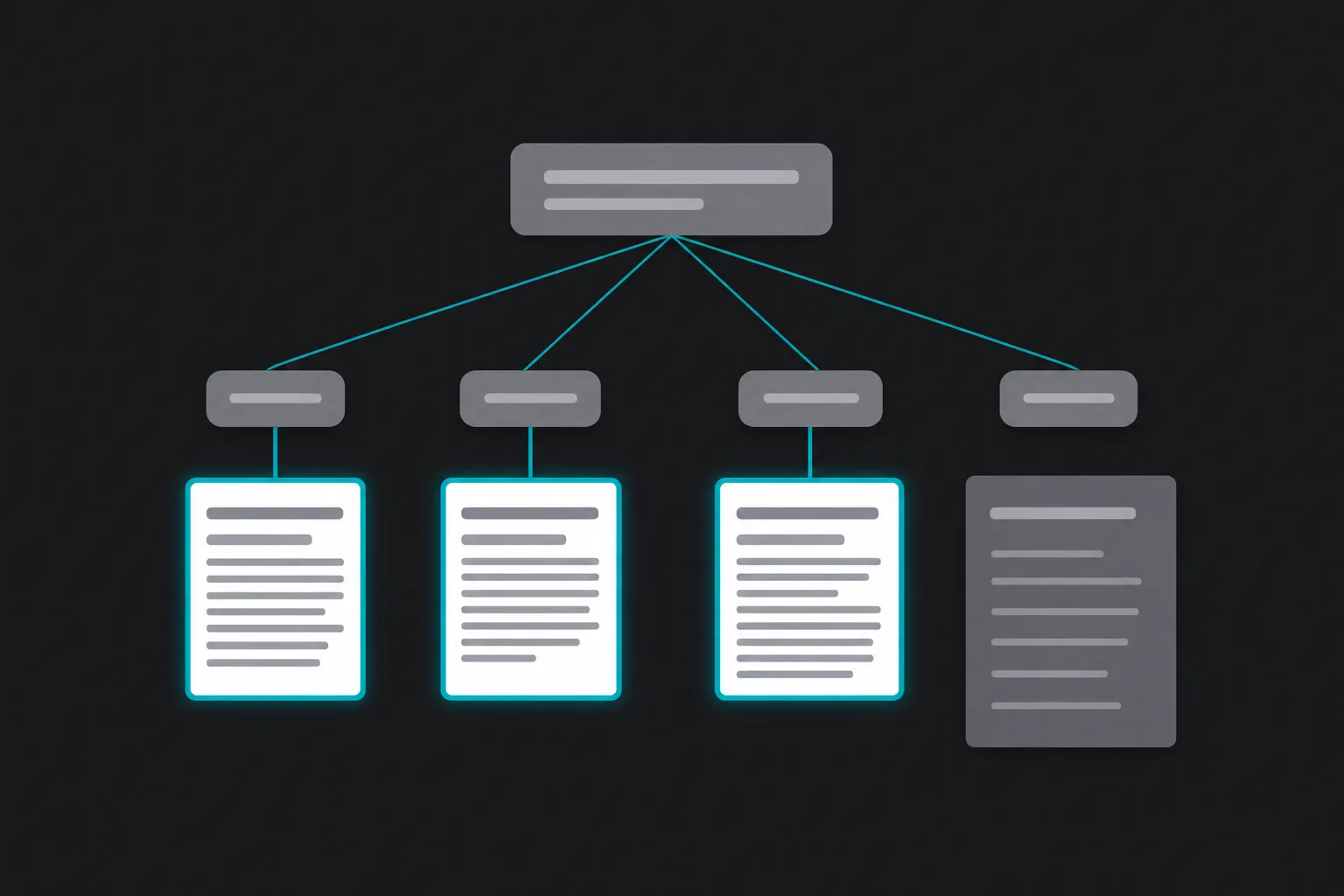
AI answer engines do not work the same way. They are not scanning your homepage copy and making a judgment call the way a person would. They are pulling structured signals, business name, services, location, hours, pricing where available, reviews, and author or organization identity, and using those signals to decide whether to cite you at all. When that structured data is missing, broken, or contradicts what is on the page, the AI model does not guess in your favour. It leaves you out and names a competitor whose markup is clean.
That is the finding Search Engine Journal’s October 1 piece puts a name to. Structured data errors are not a technical footnote anymore. They are a visibility gate.
Why AI answer engines lean on structured data harder than Google ever did
Think about what a prospective client actually asks ChatGPT or an AI Overview. Not “accounting firm Hamilton.” More like “which accounting firm near me handles small business HST filings.” The model needs to match service type, location, and specificity in one pass, and it needs a confident source to cite. Structured data is how a webpage tells the model, in a format it does not have to interpret, exactly what service this is, who offers it, and where.
A dental practice with a page titled “Services” and a paragraph of friendly prose about cleanings and whitening is relying on the AI model to infer structure from unstructured language. A dental practice with proper Service and LocalBusiness schema marking up “teeth whitening,” “Hamilton, Ontario,” and a phone number is handing the model exactly what it needs. One of those two practices gets named when someone asks an AI assistant for a dentist that does whitening. It is usually not the one relying on prose.
The errors that quietly disqualify a business
The mistakes that show up most often are not exotic. They are the kind that happen because schema markup was installed once, by a developer or a plugin, years ago, and nobody has looked at it since.
- Markup that does not match the visible page. The schema says the business offers “family law” services but the page copy only mentions real estate law. AI models treat this mismatch as unreliable and tend to disregard the whole page rather than guess which version is true.
- Missing or incomplete LocalBusiness data. No address, no service area, no phone number in the structured markup, even if that information sits in the page footer as plain text. A restaurant with hours only listed in a graphic image, not in schema, is functionally invisible to a model that cannot read image text the way it reads markup.
- Duplicate or conflicting schema across pages. A home services company with three location pages that all carry identical Organization schema, rather than distinct LocalBusiness entries per service area, confuses the signal about where the business actually operates.
- Broken or outdated markup left behind by old plugins. A website rebuild two years ago that migrated the content but not the schema, leaving syntax errors that validators flag and AI crawlers quietly skip.
- No authorship or organization identity markup at all. For B2B companies publishing technical content, the absence of Organization and Person schema makes it harder for an AI model to attribute expertise to a specific source worth citing.
None of these require a redesign. They require someone to actually open the code and check it against what a crawler sees, not what a human visitor sees.
Why this is not a ‘set it once’ task
Here is the part most businesses get wrong, and the part Search Engine Journal’s framing gets right. Structured data was treated as a launch checklist item. Install it when the site goes live, confirm it validates, move on. That approach made sense when the downside of drift was a lost star rating.
It does not make sense now, because:
- Website content changes constantly: new services, new pricing, new locations, a menu update, a new partner page for a B2B company, and the schema rarely gets updated in step with the copy.
- Platforms update their schema requirements. What validated cleanly eighteen months ago can throw errors today.
- AI crawlers are new consumers of this data, with their own sensitivity to inconsistency that Google’s search crawler never had to account for.
A law firm that adds a new practice area to its website this quarter and forgets to update its Service schema is not just missing an SEO opportunity. It is actively telling AI models it does not offer that service, because the markup still says otherwise.
This is why structured data belongs in the same category as your Google Business Profile or your CRM data, something that gets checked on a schedule, not something you set up once and forget. We’ve written about the broader shift toward AI search visibility in our SEO and AI search services page, and the principle is the same one Search Engine Journal is pointing at: being accurate matters more than being clever.
What to check this month
You do not need to become a developer to get a first read on where you stand. Here is a starting list, in order of what tends to matter most for owner-led businesses:
- Run your homepage and your top three service pages through a schema validator. Look for errors, not just warnings.
- Compare your LocalBusiness schema against your actual hours, address, and phone number. Confirm it matches what is in your Google Business Profile, not what was true when the site launched.
- Check that every service you actually offer has corresponding Service schema. If you added a service in the last year and did not touch the code, it is probably missing.
- Look for duplicate Organization markup across multiple location pages if you operate in more than one area.
- Confirm your reviews and ratings markup pulls from a real, current source, not a static snapshot from the day the site was built.
If that list feels like more than a one-afternoon project, that is the honest answer. It usually is. The businesses that show up correctly in AI answers right now are, more often than not, the ones who treated this as ongoing maintenance rather than a line item on an old invoice.
Get your schema audited before your competitor does
Being left out of an AI-generated answer is not a ranking drop you can see on a dashboard. There is no notification. You simply stop getting mentioned, and a competitor with cleaner markup starts getting named in your place. The only way to know where you stand is to look.
We audit structured data as part of every digital marketing services engagement, because a business that is invisible to AI search is losing customers it never had the chance to compete for. If you want a straight answer on where your schema stands and what it would take to fix it, get a free marketing audit, or call and book time directly with Mathew. No account managers, no handoff. Start here.